How to Map Behavioural Risk Before It Derails Your AI Programme
· 4 min read

· 4 min read
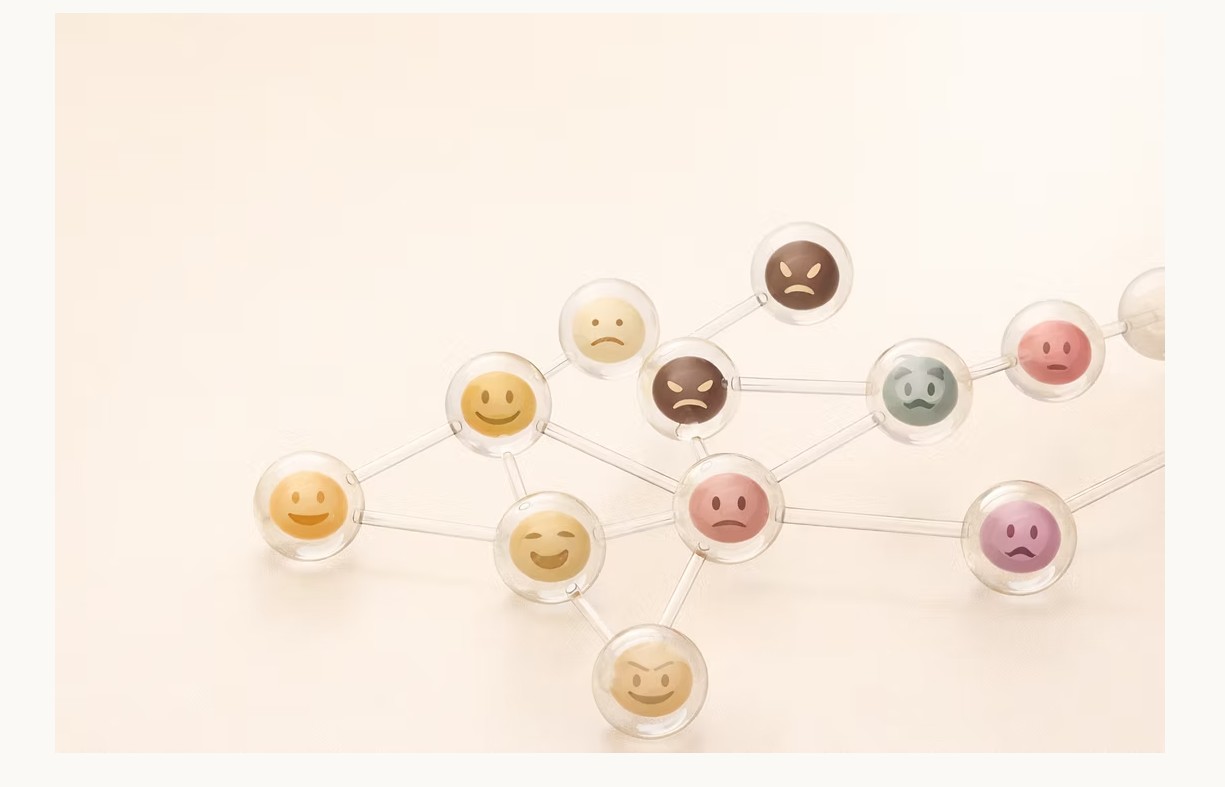
Why AI programmes fail has less to do with tools than with trust, clarity and human alignment. In most organisations the real threat to adoption is behavioural, and it hides in hesitation, in rework, in abandoned workflows, in teams reverting to the familiar even when new AI tools are available. To lead a successful integration you have to identify the behavioural frictions that undermine adoption and resolve them at the right level of the operation, rather than treating the symptoms as they surface.
The most expensive mistakes in AI implementation are rarely technical, they are behavioural: leaders disengaging from AI-supported decisions, teams avoiding tools whose value is unclear, redesigned workflows collapsing under pressure, and persistent confusion about where AI should and should not operate. These are not simply change-management problems to be managed away. They are signals of misaligned design, and the useful move is that they can be mapped and designed for in advance rather than absorbed as friction later.
Behavioural risk becomes visible when you test whether an AI use case is genuinely ready to move from idea to execution, not only whether it is technically viable but whether it is operationally sound and trusted by the people who have to work with it. Seven checks make that concrete:
Together these show where resistance will emerge, and let you design to resolve it before momentum is lost.
Four patterns recur, and each has a design response rather than a motivational one:
Misalignment between people and systems is the least visible way an AI programme fails. Reading behavioural risk turns vague resistance into visible, solvable design challenges, and applying it means you are not simply deploying AI, you are redesigning how the organisation thinks, works and creates value with it. That is the work of the Capability and Design dimensions in AIVOM™, and the free AI Operating Impact Briefing is where that redesign begins.
The Power of AI. The Potential of People™.
AI Operating Model Design, made practical. From AI deployment to operating impact and enterprise value with AIVOM™. Start with the free AI Operating Impact Briefing at envisago.com.