AI Strategy vs AI Tools: What's the Difference?
· 3 min read

· 3 min read
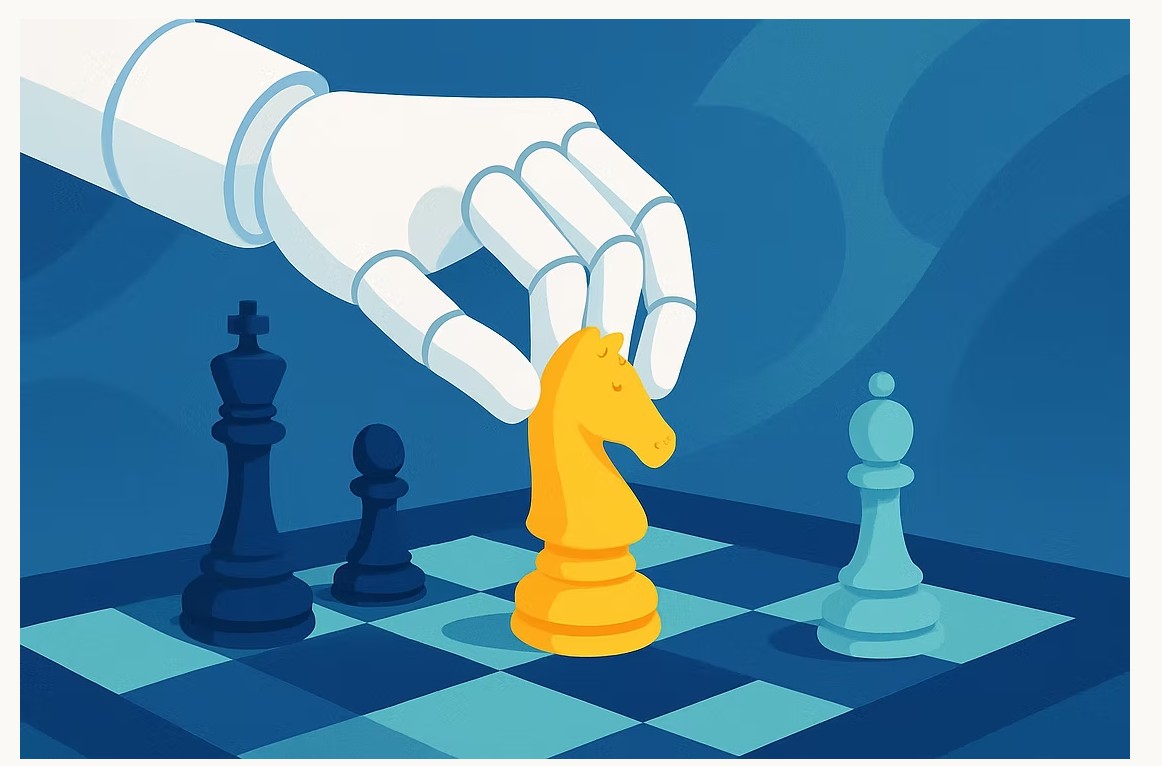
AI is moving fast, but in many leadership circles the conversation is still stuck on the tools: what should we use, where can we automate, how do we not fall behind. These are valid concerns, but they are not the right place to start. Strategic AI adoption is not about joining the race, it is about setting a wiser course, and it takes a deeper integration of intelligence, human and artificial, into how an organisation senses, decides and evolves. That is change with intent, not disruption for its own sake.
Many AI initiatives begin tactically: a pilot here, a chatbot there, a dashboard in finance. These can offer fast wins but rarely change how an organisation works. Strategic adoption asks a different question, where could intelligence fundamentally improve how we operate, serve and adapt? That is the shift from use cases to usefulness: not AI in isolation but AI integrated into decision-making, not patchwork automation but process reinvention, not transformation as a programme but intelligent evolution as a mindset.
Leading this well means holding three things at once. The first is clarity of intent: before selecting tools, align around purpose, because strategic intent gives AI adoption a centre of gravity that keeps experiments aligned and benefits measurable. The second is systems thinking: AI touches workflows, data, governance and culture, so adopting it well means seeing the whole system rather than the shiny surface, which is where operational leaders shine, as architects of adaptive systems that sense signals, decide with nuance and keep learning. The third is change by design rather than default: too often AI is implemented and change is managed as an afterthought, whereas strategic adoption designs change in from the start, with engagement loops, clear roles for humans and AI, and learning paths that match the pace of adoption.
Even with the best intent, some patterns derail strategic adoption: chasing the most advanced technology rather than the most aligned; building data infrastructure without a clear use pathway; and underestimating cultural inertia, where change fatigue, fear or scepticism can block progress. Strategic adoption means moving at the speed of trust, not only the speed of technology. In a world rushing to automate, strategy becomes the grounding that helps you choose where to act boldly and where to pause, what to scale and what to leave behind, and how to bring your people with you rather than only your systems.
The Power of AI. The Potential of People™.
AI Operating Model Design, made practical. From AI deployment to operating impact and enterprise value with AIVOM™. Start with the free AI Operating Impact Briefing at envisago.com.